

Overview
The Student Discipline Formation Office (SDFO) is the unit primarily responsible for promoting student discipline formation, ensuring and maintaining proper student decorum, and instilling in students the values of responsibility, initiative, and vigilance. To achieve these, it implements the provisions of the Student Handbook within University premises and also during University-supervised activities held off-campus.
As a formative unit, the SDFO strives to prevent rather than correct unseemly student behavior by expanding and promoting preventive discipline approaches, such as discipline orientation and lectures, formative programs, and discipline-related student advocacies.
To aid in the efficient implementation of its programs and services, the SDFO is functionally divided into four sections, namely:
- Discipline Education, Advocacy, and Programs Section (DEAPS)
- Discipline Enforcement Section (DES)
- Lost and Found and Clearance Section (LFCS)
Recently, the Senior High School Section (SHS) has been integrated into the office.
Vision – Mission
A leading learner-centered student discipline formation unit committed to upholding and strengthening Lasallians’ holistic self-development through character formation, integrating faith-life, leadership, and community engagement towards social transformation.
History
Formerly known as the Discipline Office (DO), the SDFO was first conceptualized and established in 1973. The DO was formerly a sub-unit of the Safety and Security Office (SSO) with four (4) personnel implementing school policies.
In the years that followed, an emerging need arose to broaden the unit’s approach to discipline. Focus shifted from preventing to correcting unseemly student behaviour. Thus, the office expanded its methods and promoted preventive discipline approaches through regular discipline orientations for students and other stakeholders, as well as through formative programs for students with discipline infractions.
In October 2011, the unit’s name was changed to Student Discipline Formation Office, encapsulating its formative methods and processes. Henceforth, the SDFO continues to develop and apply relevant, dynamic, and innovative discipline formation programs and services and initiates thorough evaluation procedures to ensure that each student’s needs are being addressed.
The office’s direction is toward the development of Christian men and women, sustained by the Lasallian core values of religio (faith), mores (zeal for service), and cultura (communion in mission), to ensure better observance of the University’s rules and regulations.
As the office’s thrust and nature develop through the years, from corrective to holistic student discipline formation, it advances into a unit that facilitates students’ initiative, vigilance, and empowerment, aligned with the University’s commitment to produce graduates who are not only academically and professionally competent, but also self-disciplined, morally upright, and responsible individuals aware of self and others, with high respect for rules, regulations, laws and authorities – producing compassionate, professional Lasallian leaders for God and country.
Formation Framework
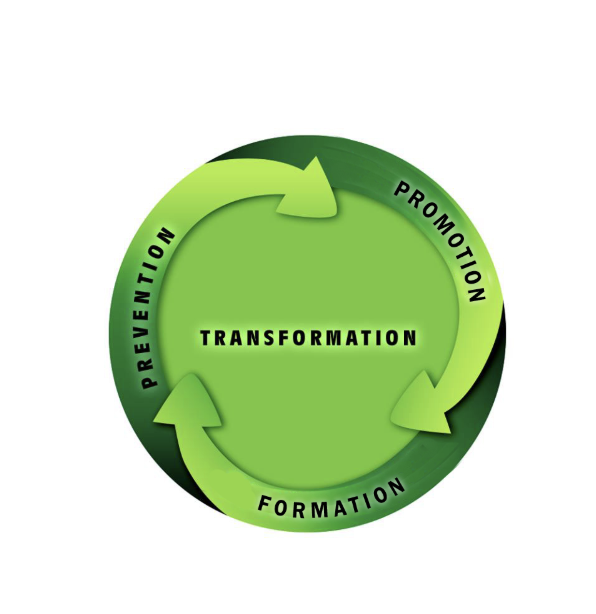
The SDFO believes that discipline formation is a continuous process of learning, re-learning, and unlearning behaviors towards a complete change in character.
Three distinct approaches—prevention, promotion, and formation—are identified to contribute to the holistic transformation of students. These are represented by arrows that form the cycle of transformation. The green color represents the Lasallian core values of faith, zeal for service, and communion in mission. The dark-to-light shade of the arrows signifies the development of discipline among students.
The prevention approach discourages unseemly student behavior by raising awareness and appreciation of student discipline policies. The promotion approach promotes responsible student behavior by enforcing handbook provisions on student discipline. The formation approach strengthens the knowledge, attitudes, values, and skills of students through formative interventions and interactions. Any of the three approaches, individually or collectively, may lead students to transformation.
Transformation is achieved when a student becomes responsible, respectful of rules and authority, reflective, morally upright, and self-disciplined.
The DLSU Student Handbook
The regulations in this Student Handbook apply to all senior high school, undergraduate, and graduate students enrolled in the University’s different colleges. Upon admission, they agree to abide by these regulations so as to maintain discipline, uphold the good order of the academic community, preserve the fair name of the University, and actualize its Vision-Mission Statement. Aside from norms contained in this Student Handbook, website postings, special manuals for specific purposes, and Help Desk Announcements sent via email are the usual channels by which the University administration informs the student body of official business. The students should consult these channels regularly. The administrative authority of the University is vested in the President of the Institution. The continued attendance of students at De La Salle University subjects them to this authority, in accordance with the spirit of the ongoing policies set by the academic community.
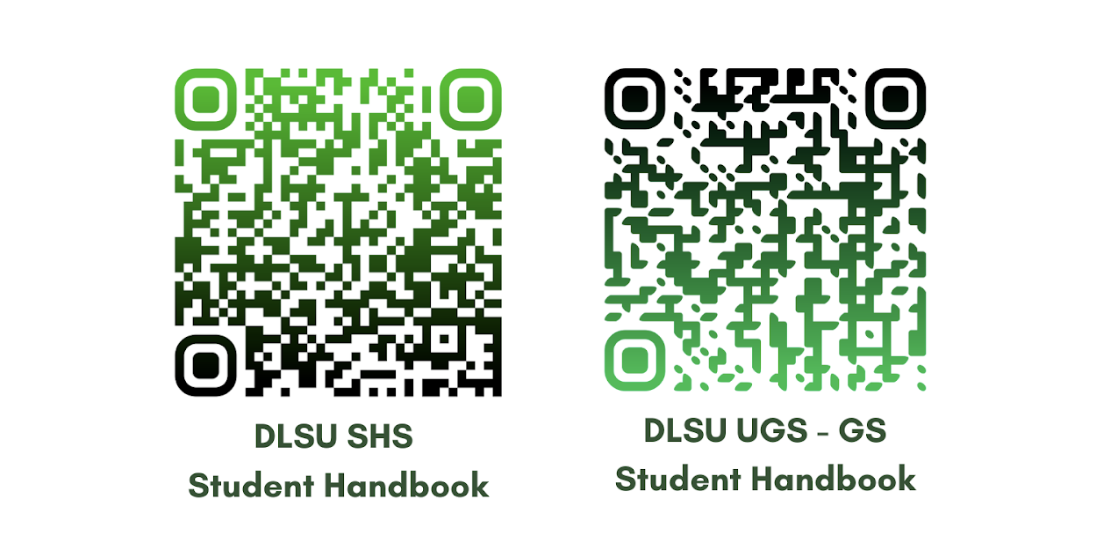
We encourage all students to consult the current UGS-GS Student Handbook for undergraduate and graduate students, as well as the SHS Student Handbook, which includes the approved Transitory Provision for Senior High School students, to ensure full awareness of all university policies.
SDFO Personnel
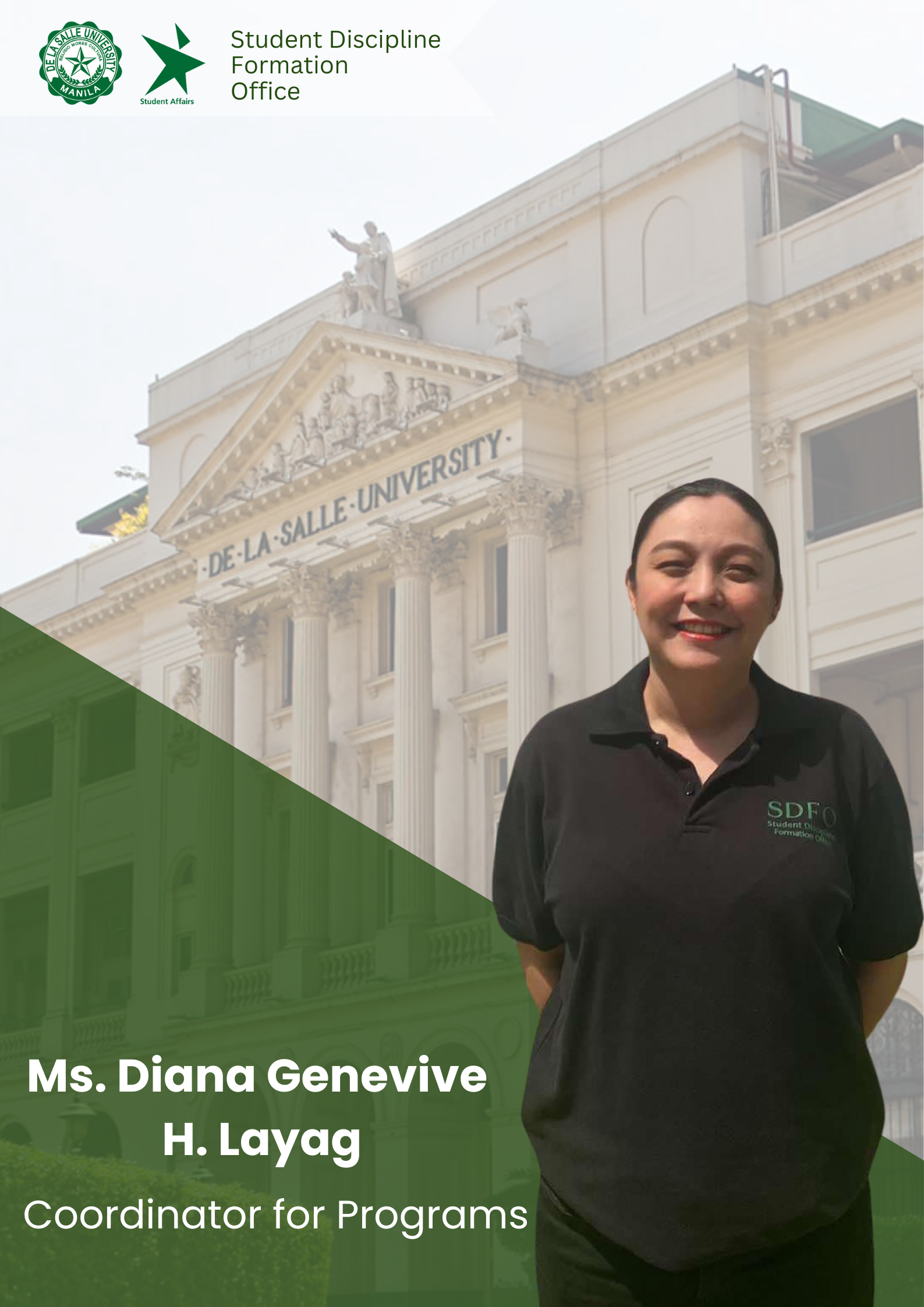
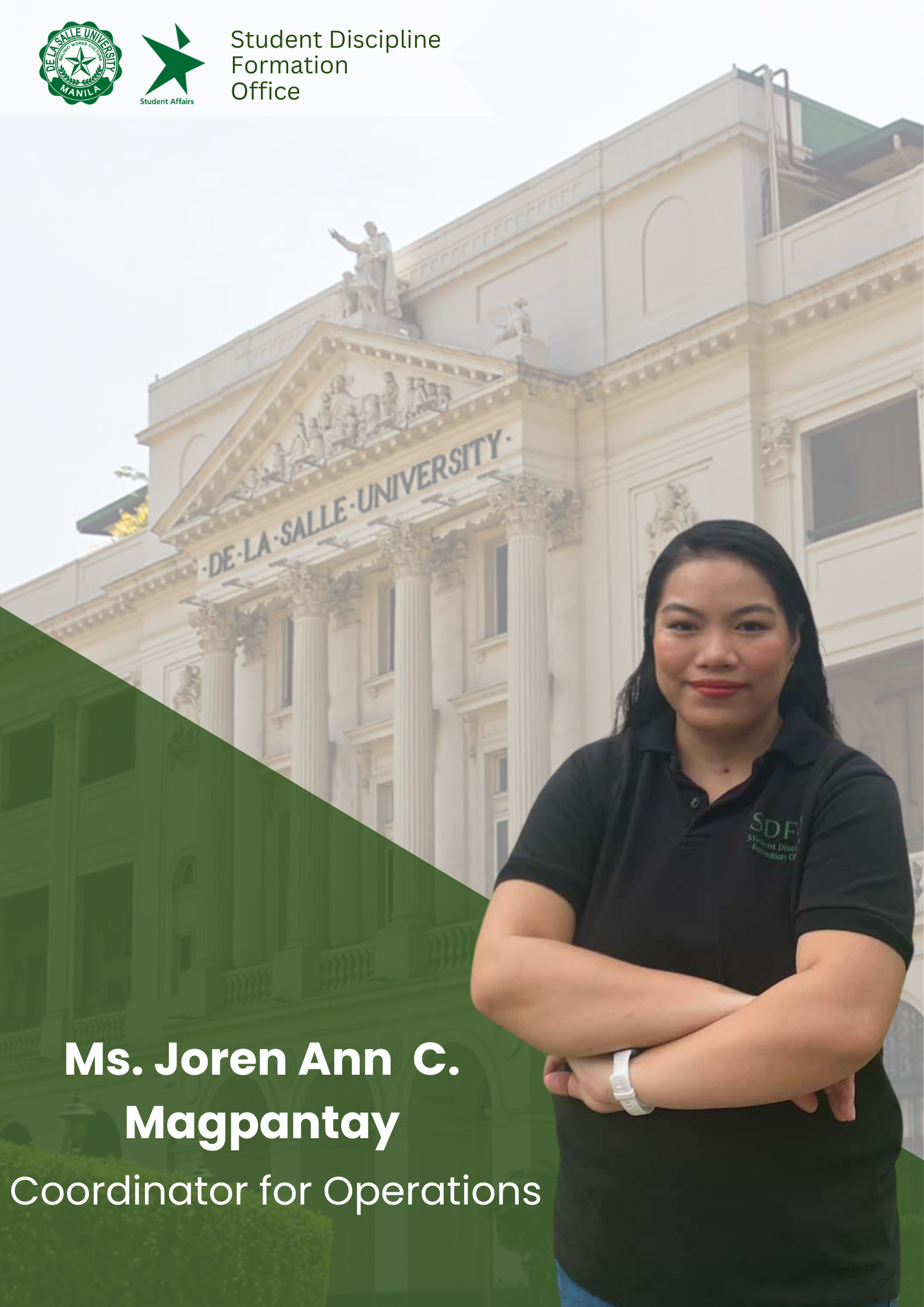
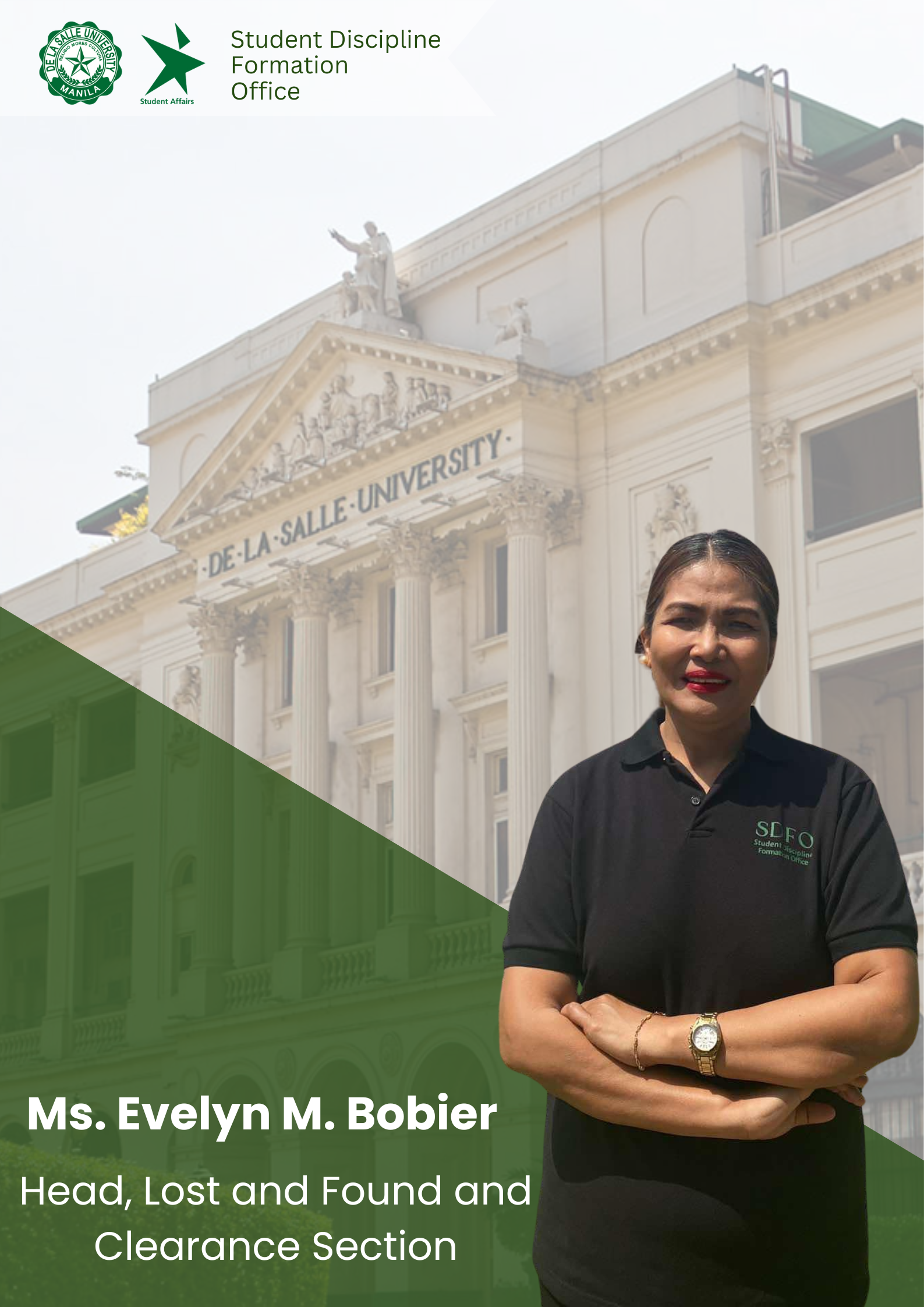
Programs offered by the Discipline Education, Advocacy, and Programs Section
Discipline Education
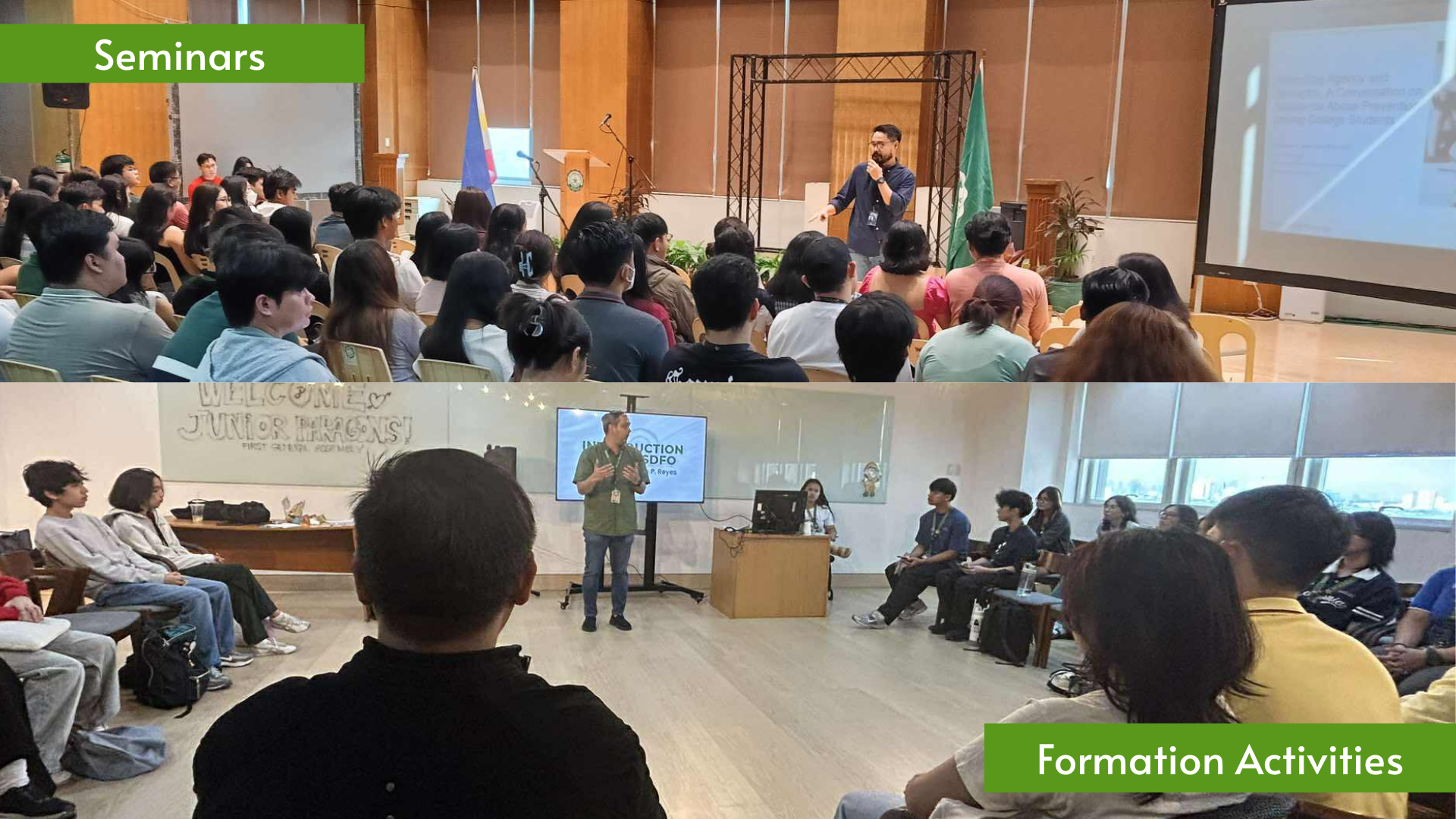
The SDFO Discipline Education, Advocacy, and Programs Section (DEAPS) plays a pivotal role in fostering a strong sense of Lasallian community. To achieve this, DEAPS employs a multifaceted approach that includes: regular Discipline Lectures and Orientations for students, parents, faculty, and staff; comprehensive learning sessions emphasizing the values essential for upholding Lasallian discipline; regular policy refresher sessions to ensure consistent understanding and application; the dynamic Discipline Education Caravan to effectively disseminate crucial information across the University; and pre-hearing consultations for students charged with major offenses to orient them with the process and remind them of important values they must reflect and observe. Through these coordinated efforts, DEAPS effectively promotes a shared understanding of University rules and regulations, ultimately contributing to a more responsible and values-driven community.
Discipline Education Caravan
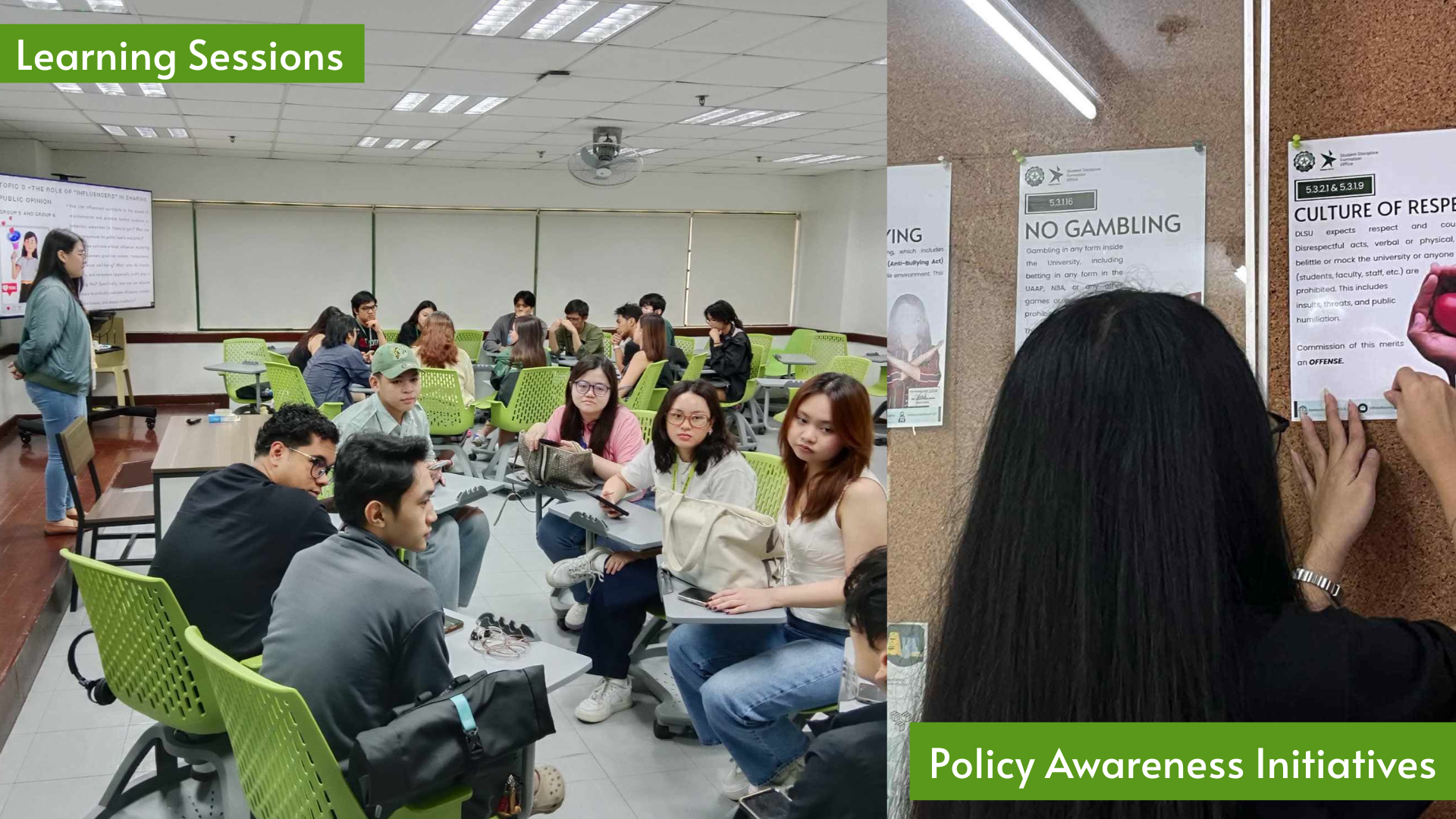
The Discipline Education Caravan, a year-long initiative spearheaded by the Education segment of DEAPS within the SDFO, fosters a strong Lasallian ethos by championing good behavior and cultivating self-discipline among students. Through engaging activities such as interactive caravan booths, inspiring “Discipline Talks” featuring exemplary Lasallians, and student-led “Campus Walk Interviews,” the Caravan promotes core Lasallian values, such as integrity and compassion. Furthermore, insightful Learning Sessions on topics ranging from self-management to digital citizenship, coupled with a dynamic Student Handbook Challenge, equip students with the knowledge and skills to navigate the Lasallian community responsibly. These multifaceted initiatives contribute significantly to creating a harmonious and respectful learning environment that embodies the core principles of Lasallian education.
UPDATE (Understanding Processes through Discipline Assistance, Training, or Education)
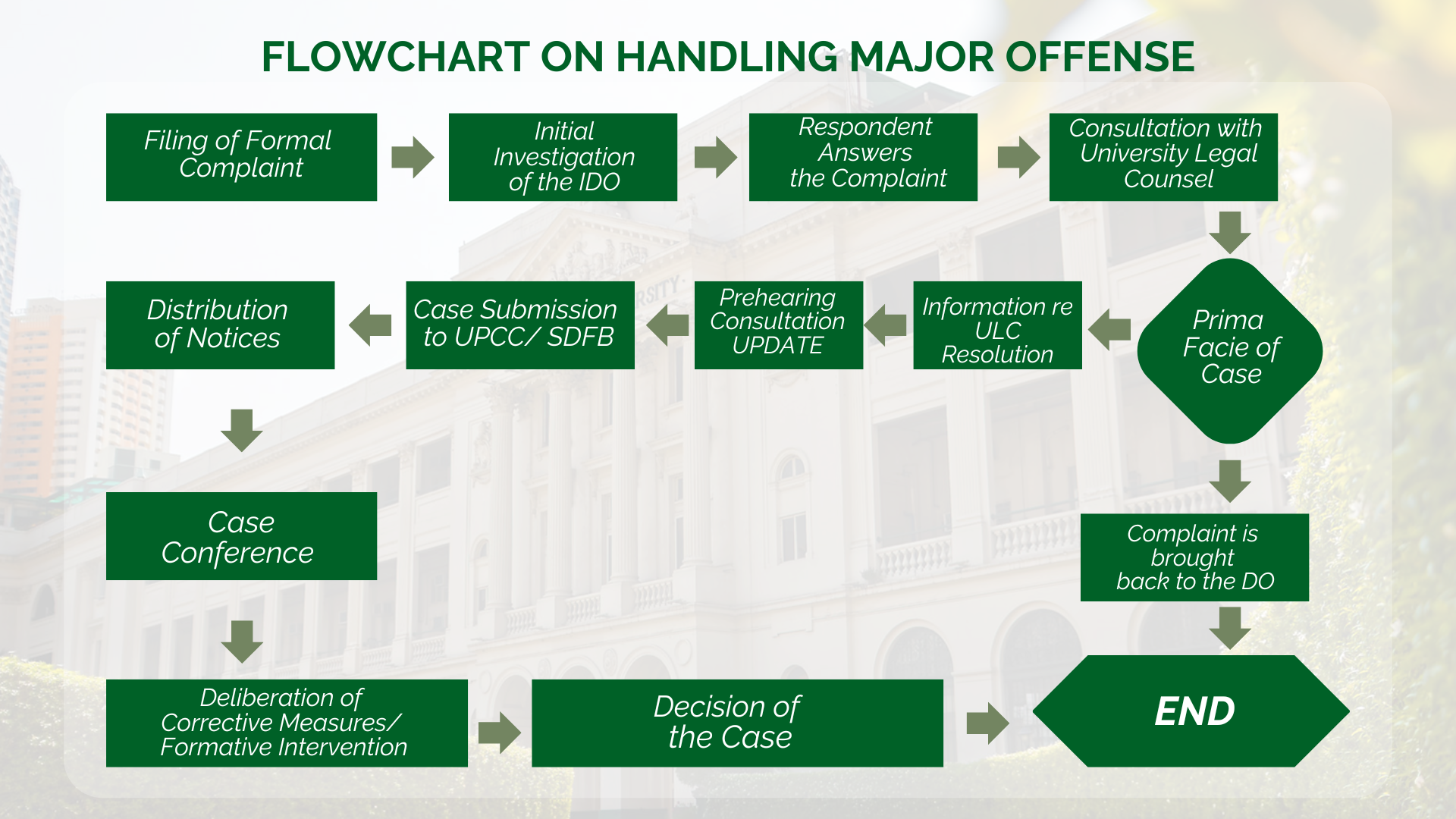
The SDFO offers an UPDATE (Pre-Hearing Consultation) to all students facing charges for major offenses. This crucial step aims to adequately prepare students for their upcoming hearing. Through this consultation, students gain a clear understanding of the hearing process, their rights and responsibilities as respondents, and the importance of self-reflection and emotional regulation throughout the proceedings. This proactive approach emphasizes the value of integrity and personal responsibility, empowering students to navigate the disciplinary process with greater awareness and maturity. During the consultation, students are also reminded to prepare a checklist for compliance with the panel’s requirements. Furthermore, the UPDATE provides students with crucial information, including a detailed explanation of the alleged violation, potential interventions, and corrective measures that may be recommended or required following a decision, as well as their right to appeal the decision and the procedures involved in filing an appeal. This comprehensive information empowers students to make informed decisions and participate meaningfully in the disciplinary process.
Discipline Advocacy
The SDFO DEAPS plays a pivotal role in cultivating a culture of responsibility and well-being within the University. To this end, the section actively spearheads a range of advocacy initiatives, including government-mandated anti-drug campaigns that aim to educate the University community on the dangers of substance abuse and its legal repercussions; non-violence programs that promote a culture of peace and respect through workshops on conflict resolution, anger management, and assertiveness training; and comprehensive policy awareness efforts that disseminate information about relevant policies and regulations, ensuring student understanding and adherence.
Key events such as Discipline Formation Month (DFM), a month-long celebration of responsible behavior and a deeper understanding of University policies, Drug Abuse Prevention and Control Week (DAPC), which raises awareness about the dangers of drug abuse and promotes healthy lifestyles, and the International Day Against Drug Abuse and Illicit Trafficking (IDADAIT), a global observance that highlights the devastating impact of drug abuse on individuals and society, provide crucial platforms for these initiatives. Through these multifaceted efforts, Discipline Advocacy fosters a safe and supportive learning environment for all members of the University community.
Intervention Programs
Recognizing the importance of holistic student development, the SDFO offers a range of intervention programs designed to address individual needs and foster positive behavioral change. These programs, namely the Formation Program on Restructuring and Managing the Self (FORMS) and the Strengthening Attitudes Through Values Enhancement and Development Education Program (SAVED), provide students with the tools and support necessary for personal growth and success.
FORMS (Formation Program on Restructuring and Managing the Self)
The FORMS program is designed to empower students with essential self-management and self-regulation skills. Through a modular approach, students learn practical techniques and principles to identify, understand, and modify undesired behaviors. This comprehensive program, available to both undergraduate and graduate students, aims to facilitate positive behavioral change and personal growth.
SAVED (Strengthening Attitudes Through Values Enhancement and Development Education Program)
The SAVED program is a transformative intervention designed to foster holistic student development. Drawing upon Lasallian principles, the Lasallian Reflection Framework, and a learner-centered approach, SAVED focuses on enhancing life skills, cultivating positive values and attitudes, and fostering strong character. Through a combination of group and individual sessions, students are guided towards becoming mindful, responsible, resilient, morally upright, and reflective individuals.

Programs and Services offered by the Discipline Enforcement Section
SDFO Clear-Up Drive
In collaboration with the Security Office and the Building and Grounds Maintenance Office, the SDFO conducts an ongoing Clear-Up Drive. This initiative focuses on promoting cleanliness and orderliness within the University by discouraging students from leaving personal belongings unattended. By minimizing property loss and ensuring equitable access to campus facilities, the Clear-Up Drive contributes to a more secure and welcoming campus environment for all students.
SDFO Visibility Walk
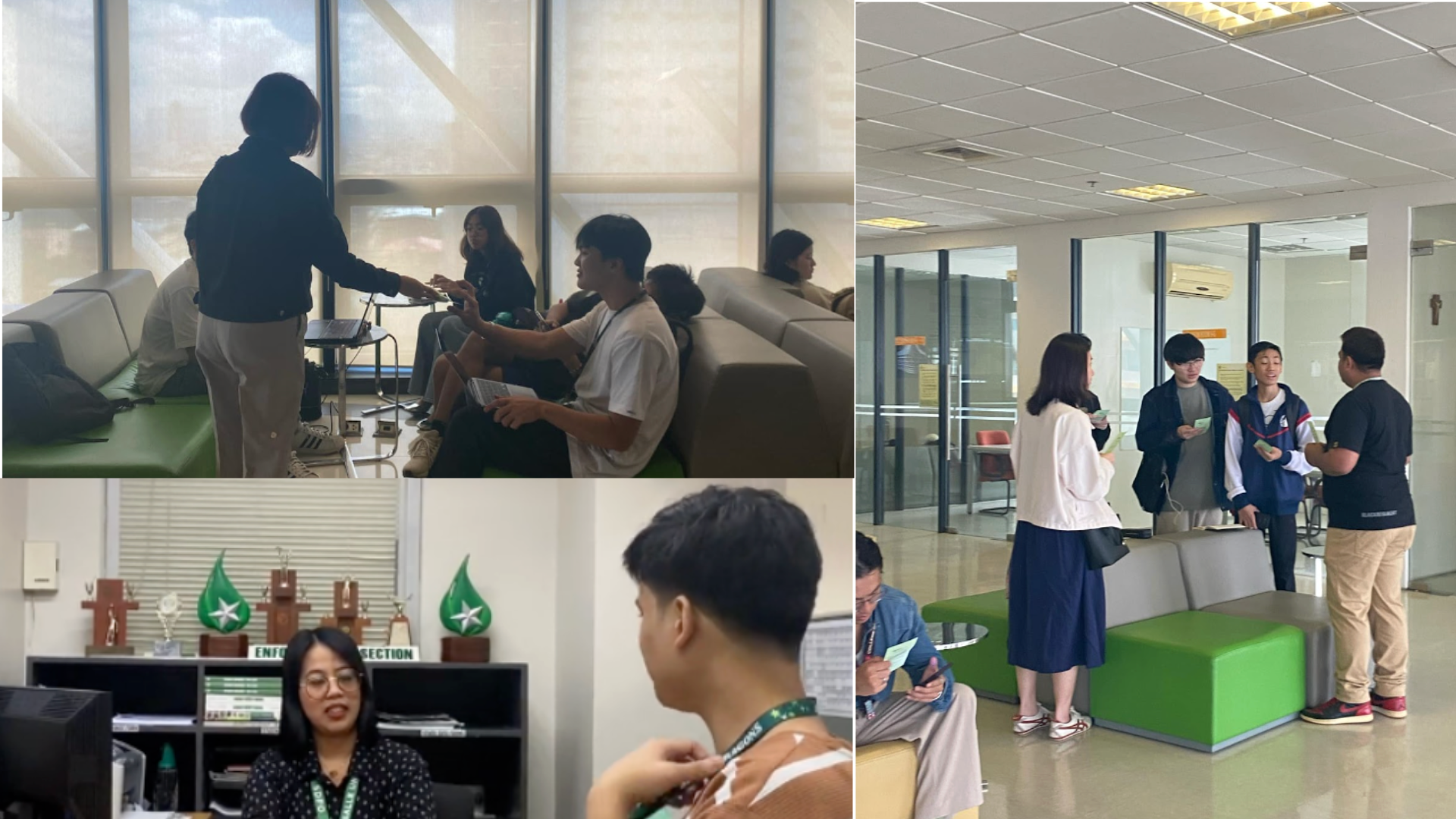
The Visibility Walk is a proactive program conducted by the Discipline Enforcement Section. Its primary objectives are to actively promote awareness of the Student Handbook provisions, remind students of the school’s rules and regulations, and apprehend those who violate school policies. During these walks, personnel engage with students, emphasizing the importance of adhering to school guidelines. Regular campus patrols are conducted to monitor student behavior and ensure a safe, orderly learning environment. Individuals who violate school rules are apprehended in accordance with established disciplinary procedures. Student volunteers from the Student Discipline and Formation Office (SDFO) also participate in this initiative, underscoring the importance of student advocacy in fostering a positive, disciplined school environment. By actively engaging with their peers, student volunteers play a crucial role in promoting a shared sense of responsibility and ownership in upholding the school’s values. Furthermore, during these walks, personnel and student volunteers also disseminate student discipline policy brochures to educate students about their rights and responsibilities, ensuring a clear understanding of the consequences of disciplinary infractions.
Discipline Officer (DO) of the Hour
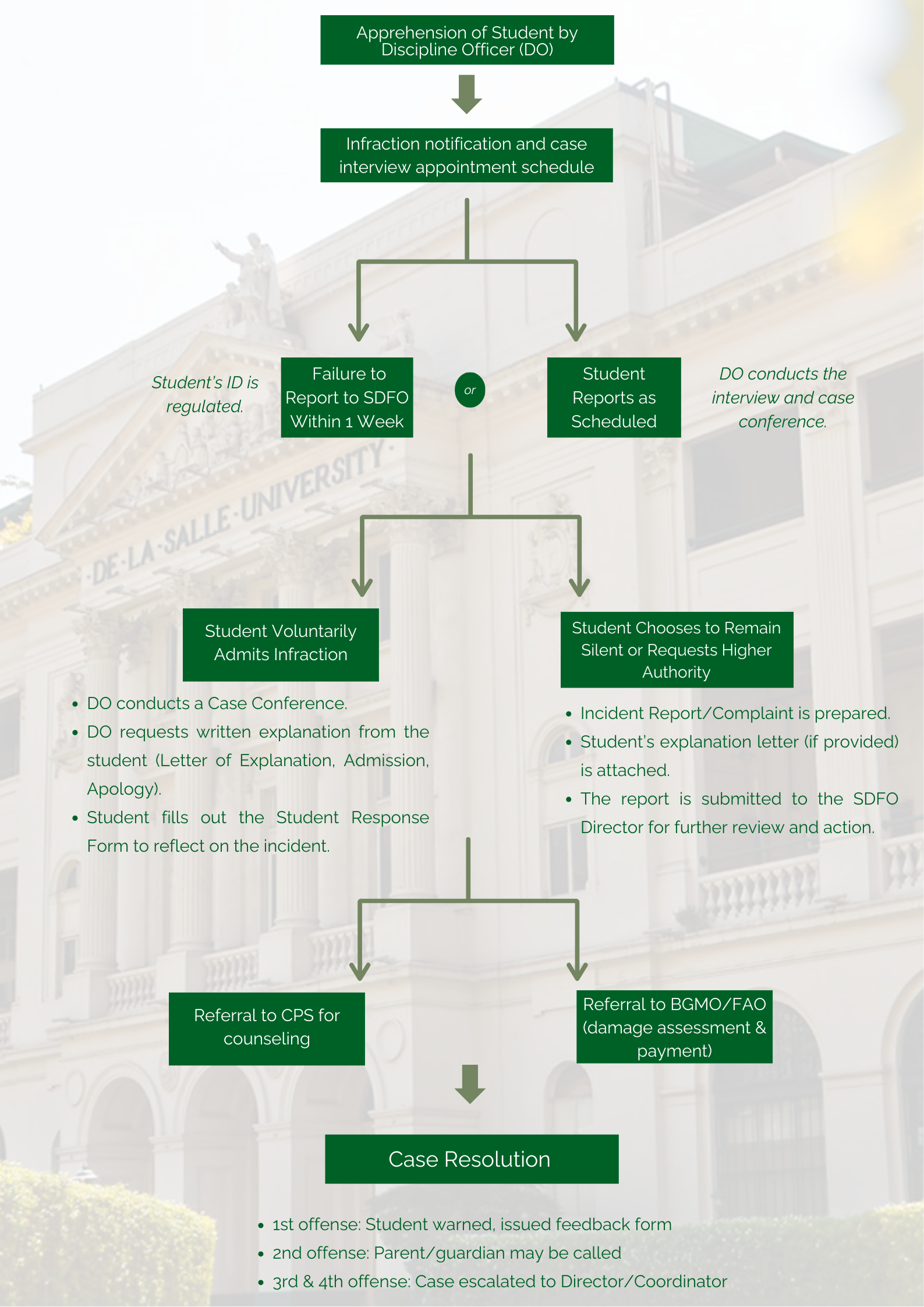
Students can seek assistance from a Discipline Officer for any disciplinary matters, including policy consultations, filing formal complaints, or inquiries related to student handbook provisions. They may also consult them regarding their ongoing disciplinary case and other clearance requirements upon completion of the case process.
The Discipline Officer is available Monday to Friday, 8:00 AM to 9:00 PM, and Saturday, 8:00 AM to 5:00 PM at the SDFO Velasco Hall, Room 152.
Programs and Services offered by the Lost and Found Section
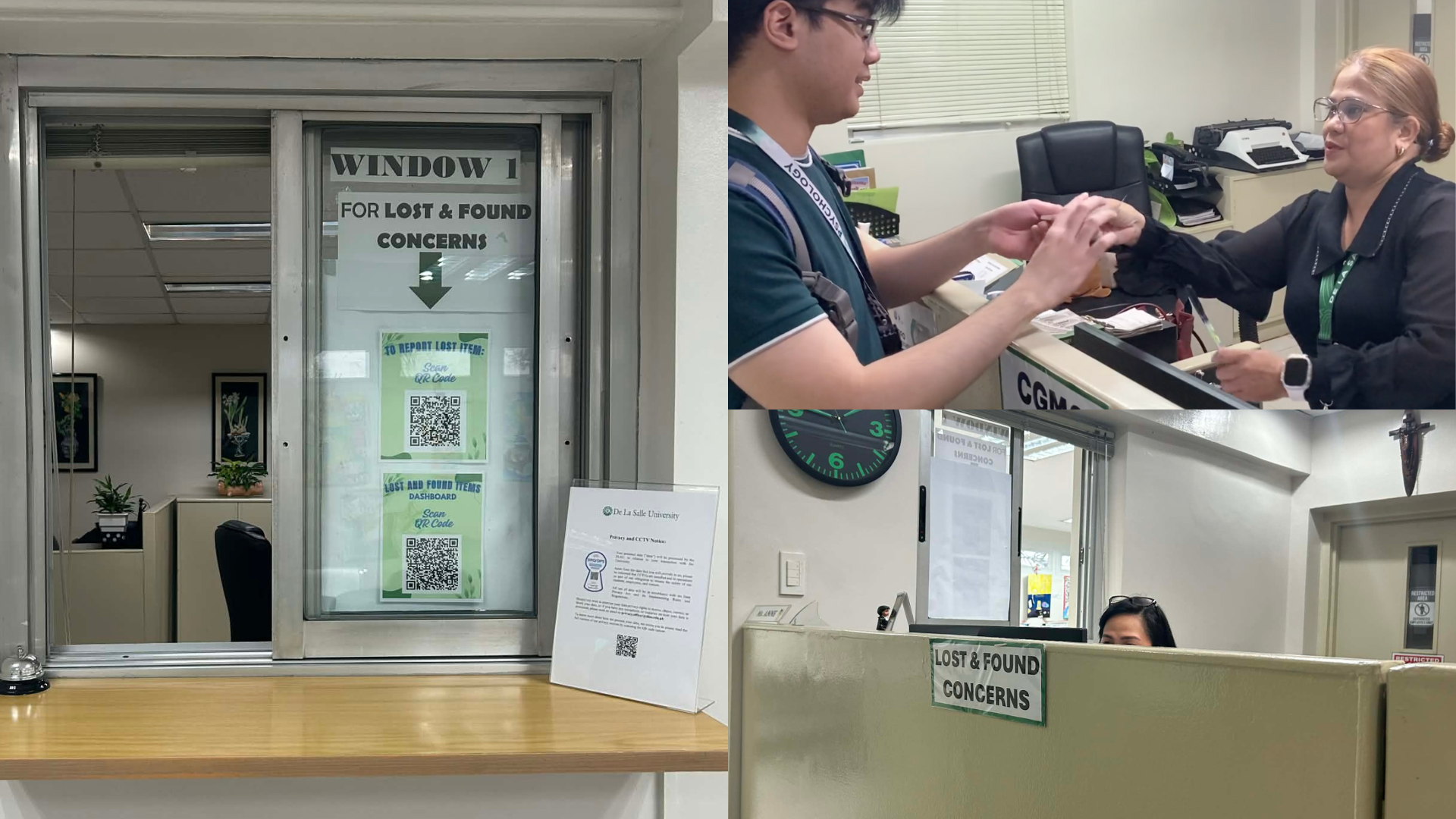
The SDFO Lost and Found and Clearance Section (LFCS) serves as the central hub for all lost and found items within the University. Students, faculty, staff, visitors, and other members of the community can report lost items or claim found items at the LFCS. In addition to its lost and found services, the LFCS oversees the proper use of campus lockers in coordination with USG and the Security Office, regulates the use of sharp objects for instructional purposes, and processes discipline clearances for students.
The Student Discipline Formation Office (SDFO) reminds students that failure to surrender lost and found items to the SDFO Lost and Found and Clearance Section (LFCS) may constitute a major offense (SHB Sec. 5.3.1.13). The act constitutes unjust enrichment and is contrary to the Lasallian values of Honesty and Integrity.
For more information, you may refer to the Frequently Asked Questions about lost and found items on campus.

Certificate of Good Moral Character
Request Process and Schedules
Please be informed that this guideline applies to CGMC requests from DLSU Undergraduate, Graduate, and Senior High School (SHS) students, as well as alumni, for both the Manila and Laguna Campuses.
The CGMC facility operates only on Wednesdays, Thursdays, and Fridays from 9:00 am to 4:00 pm, excluding holidays.
Students from the Manila Campus may proceed to the SDFO Lost & Found and Clearance Section at V152, Velasco Building, for inquiries about the CGMC processing procedure, while students from the Laguna Campus may proceed to the Student Discipline Formation Unit (SDFU) at W210, MRR Building. Please note that all requests must still be submitted online.
To initiate a request, students should fill out and submit the SDFO CGMC Google Form.
Payment Procedures and Rates
The approved regular processing rate of CGMC for internal or external purposes is ONE HUNDRED TEN PESOS (P110.00) PER PIECE.
For those selecting courier delivery, an additional courier fee shall be added to the CGMC cost (e.g., P110 CGMC fee + P250 courier fee = P360). Please refer to the Office of the University Registrar (OUR) website for the guidelines and standard delivery rates.
Before completing the request form, the student may pay via the Official Payment Channels at https://old.dlsu.edu.ph/…/official-payment-channels/ or directly at the DLSU Cashier’s Office. The Payment Referral Slip is available at the SDFO-LFCS at V152, Velasco Building (Manila Campus), or at the SDFU at W210, MRR Building (Laguna Campus).
The processing time for CGMC requests is 8 to 10 days from the date of submission or the upload of proof of payment.
Note: Please remember to send proof of payment to [email protected] to get an official receipt.
Receiving and Releasing
Students have two options for receiving their CGMC.
Via Courier Delivery: Certificates will be delivered to the address indicated in the CGMC Google Form. For standard delivery rates, refer to the Office of the University Registrar’s website: https://old.dlsu.edu.ph/offices/registrar/cost-of-studies/delivery-rates/
Via In-Person Pickup: An email with the subject “CGMC Pick-Up Confirmation Batch No.” will be sent once the CGMC is ready to claim.
Students may claim their CGMC during office hours (Monday to Friday, 8:00 AM to 5:30 PM, excluding holidays) at the SDFO LFCS, V152.
Senior High School (SHS) students from the Laguna Campus may claim their CGMC at the SDFU, W210, MRR Building.
Other Concerns
Should there be any other CGMC-related concerns, please email [email protected] with the subject heading, SDFO CGMC (to facilitate email tracking).

The Student Volunteer Program
The Student Discipline Formation Office (SDFO) collaborates with students to foster a disciplined, high-achieving academic environment. Through its three student volunteer programs – the Junior Paragon for Senior High School, the SDFO Paragons, and the SDFO SRP (Student Representative Pool) for Undergraduate students – the SDFO empowers student leaders to actively promote a positive and disciplined learning environment within the university community. These programs leverage students’ unique perspectives and influence to reach a wider audience and effectively disseminate information about disciplinary policies, procedures, and expectations. By involving students in these initiatives, the SDFO not only promotes a sense of ownership and responsibility among the student body but also enhances the effectiveness of its disciplinary efforts.
Student Representatives Pool (SRP)
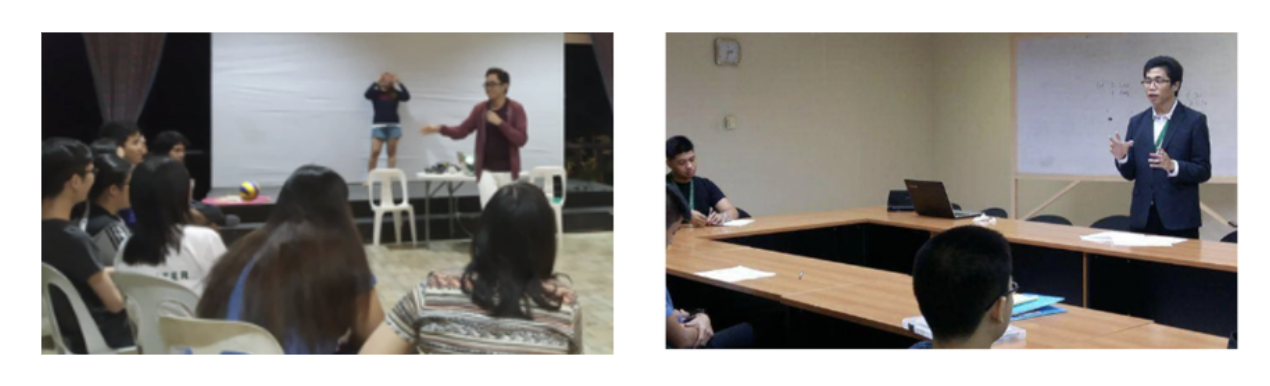
The SDFO maintains the Student Representatives Pool (SRP), which is composed of students who represent the student body before the adjudication panels for major offenses, namely the Student Discipline Formation Board (SDFB) and the University Panel for Case Conference (UPCC).
Duties and Functions
Student Representatives perform the following duties, among others:
- Attend scheduled formal hearings, summary proceedings, and case conferences of assigned discipline cases;
- Study and conduct research for assessment and evaluation of the documents pertinent to the discipline cases, as well as the evidence gathered and presented before the panel;
- Listen to and objectively and fairly evaluate the oral testimonies of complainants, respondents, and witnesses;
- Actively participate in the deliberation of discipline cases for a fair and just decision or resolution;
- Draft the decision or resolution for discipline cases, if necessary.
- Sign the panel’s decision or resolution for distribution to the parties and
- Other related tasks that may be reasonably assigned.
Student Representatives Formation Program
Formation modules are developed to prepare applicants before their appointment as Student Representatives. Prospective members undergo a series of training sessions to develop their critical thinking, assertiveness, decision-making, communication, and other relevant skills. Moreover, these formation programs build their integrity and objectivity, which are indispensable to their performance as student representatives.
Qualifications:
- Clean discipline record (no offenses);
- Does not hold any elective or appointive position in the University Student Government (USG);
- University residency of at least two (2) terms;
- Cumulative Grade Point Average (CGPA) of at least 2.50.
SDFO Paragon
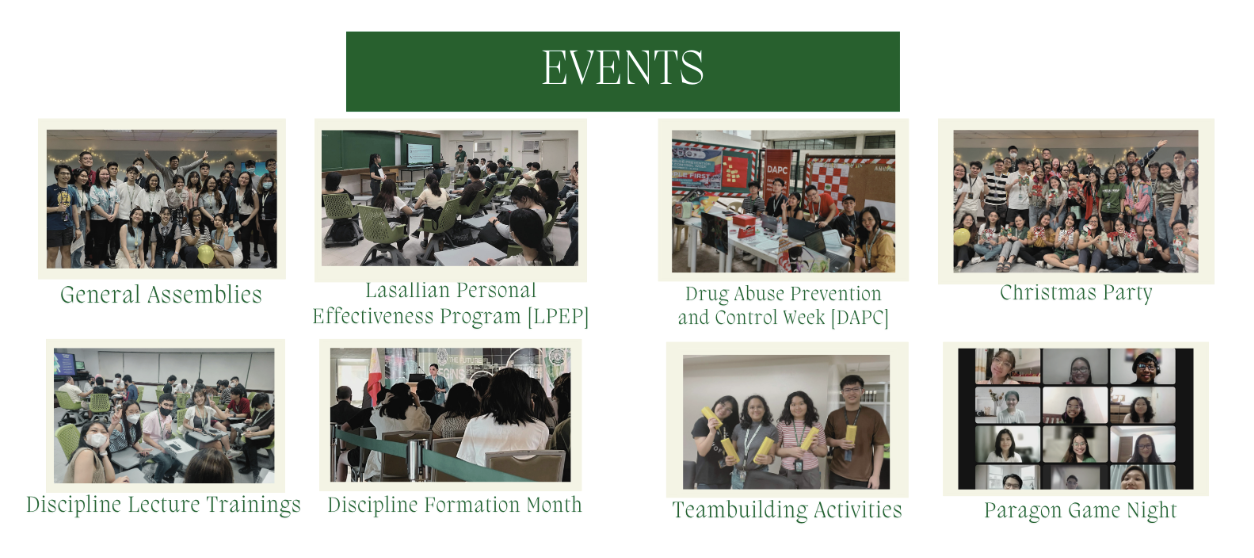
The SDFO Paragon Program is the student support staff program of the Student Discipline Formation Office. Paragon student volunteers assist the SDFO in planning, executing, and evaluating the unit’s programs and services. They also provide invaluable support to the daily operations and functions of the office.
As the program’s title denotes, Paragons are expected to be the MODELS OF EXCELLENCE, particularly in discipline leadership and advocacy. In this manner, they promote the vision and mission of the SDFO.
Qualifications:
- Clean discipline record (has not incurred any offenses)
- CGPA of at least 2.5 at the time of application
- University residency of at least one term, has at least six (6) academic terms remaining
- Not a member of any Student Support Staff of the Office of Student Affairs or student volunteer program under any of the Lasallian Mission offices at the time of application
- Not holding any executive positions in any student organization at the time of application
- Not a member of any political organization in DLSU
SDFO Junior Paragon
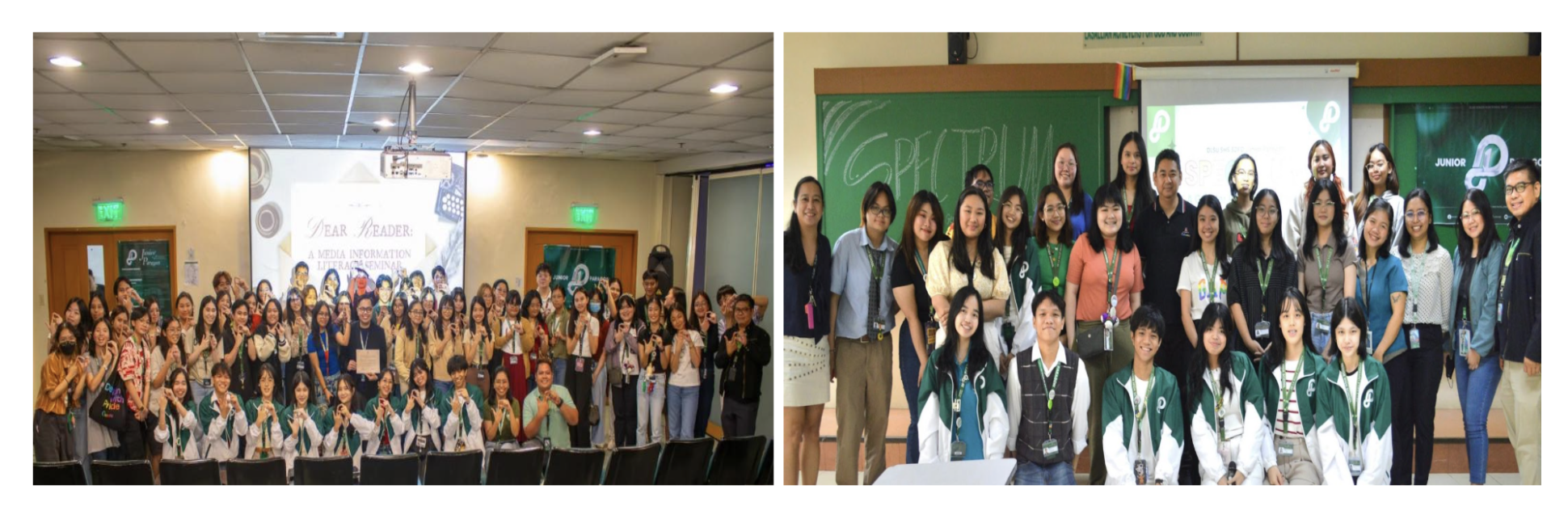
The Junior Paragon Program is a student volunteer program initiative within the SDFO specifically designed for Senior High School students. Junior Paragons are valuable assets to the office, actively participating in planning, implementing, and evaluating student discipline programs tailored to their specific needs. Beyond their support role, Junior Paragons exemplify responsible behavior and leadership within their peer group, fostering a positive and supportive learning environment. They serve as role models for their fellow students, demonstrating the importance of discipline, integrity, and active citizenship within the Lasallian community.
Learn more about Junior Paragons! Access JPage here!
Contact Details
Should you have any concerns, please feel free to reach us through the following channels!
Email: [email protected]
Facebook: https://www.facebook.com/sdfo.dlsu
Call us at: (02) 8524 4611
loc. 290 for requests on CGMC, clearances, and lost and found items
loc. 611 for inquiries on case status and filing, conference schedule, and
policy violations
loc. 414 for formative and intervention programs and activities
You can also visit us at:
SHS: St. La Salle Hall 122
UGS-GS: Velasco Hall Room 152 (Mezzanine)